
Optimal Timing for Industry Gradings
Gradings are an essential part of many activities and industries, providing assessments and evaluations at specific intervals. The timing of these evaluations can significantly impact their effectiveness and relevance. Understanding the optimal periods for conducting gradings ensures accuracy and consistency.
Gradings are often scheduled during seasons when conditions are most stable, such as late spring or early fall, to ensure reliable results.
Many industries recommend specific times for gradings, aligning with operational cycles or peak activity periods.
Weather and environmental stability are crucial; avoiding extreme conditions helps maintain grading accuracy.
Scheduling gradings ahead of project deadlines ensures timely assessments and adjustments.

Image depicting grading process during optimal weather conditions.
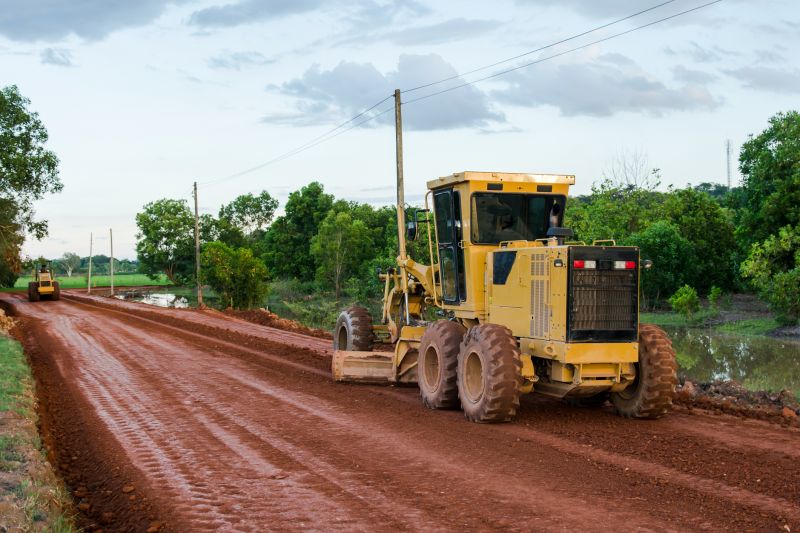
Image showing tools and machinery used in grading activities.
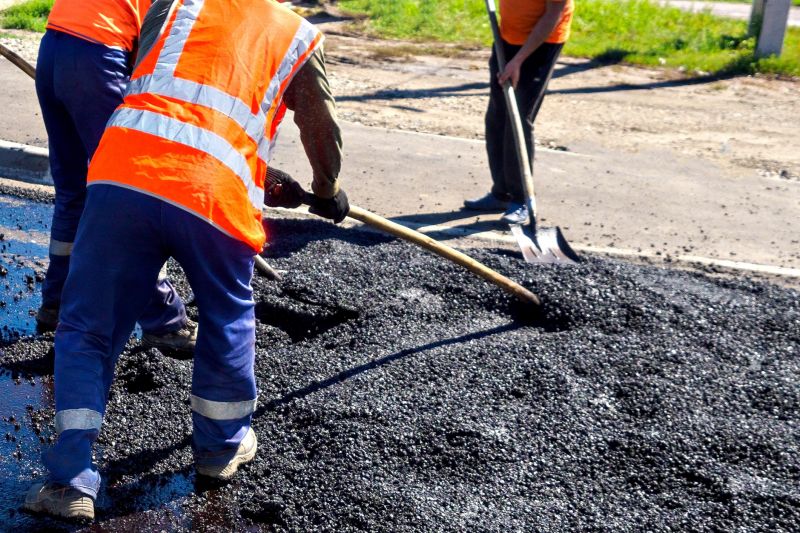
Photo of personnel conducting a grading assessment outdoors.
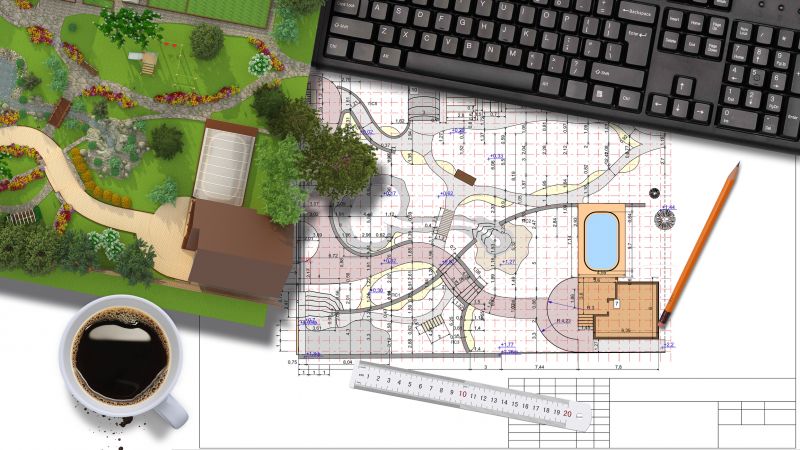
Ways to make Gradings work in tight or awkward layouts.
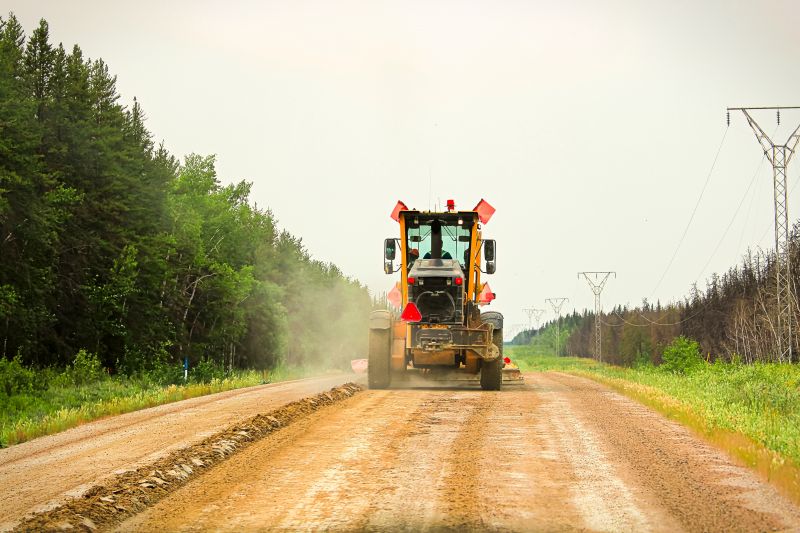
Popular materials for Gradings and why they hold up over time.
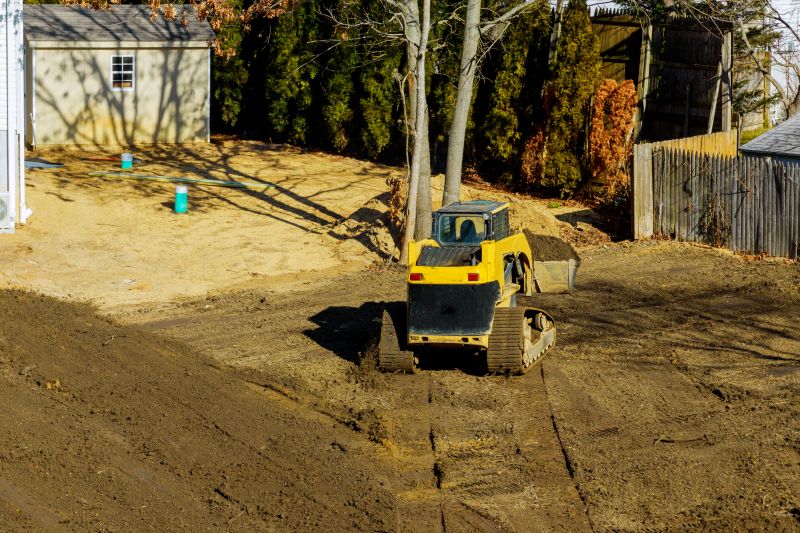
Simple add-ons that improve Gradings without blowing the budget.
| Best Time for Gradings | Key Considerations |
|---|---|
| Late Spring | Weather is typically stable, reducing delays. |
| Early Fall | Temperature and moisture levels are ideal. |
| Post-Season | Allows for adjustments before next cycle. |
| Pre-Project Initiation | Ensures readiness for upcoming work. |
| Avoid Extreme Weather | Rain, snow, or wind can compromise accuracy. |
| Align with Industry Cycles | Timing that matches operational schedules. |
| Resource Availability | Scheduling when personnel and equipment are accessible. |
| Before Major Events | Ensures assessments are current for upcoming activities. |
Gradings serve as a crucial evaluation tool across various sectors, including construction, agriculture, and land management. They provide vital data that influence decision-making, planning, and resource allocation. Conducting gradings at the appropriate times enhances their precision and usefulness, supporting successful project outcomes.
Statistics indicate that scheduling gradings during periods of environmental stability can improve accuracy by up to 30 percent. Proper timing reduces the need for re-evaluation and minimizes disruptions to workflows. The choice of timing should consider local climate patterns, operational cycles, and resource availability.
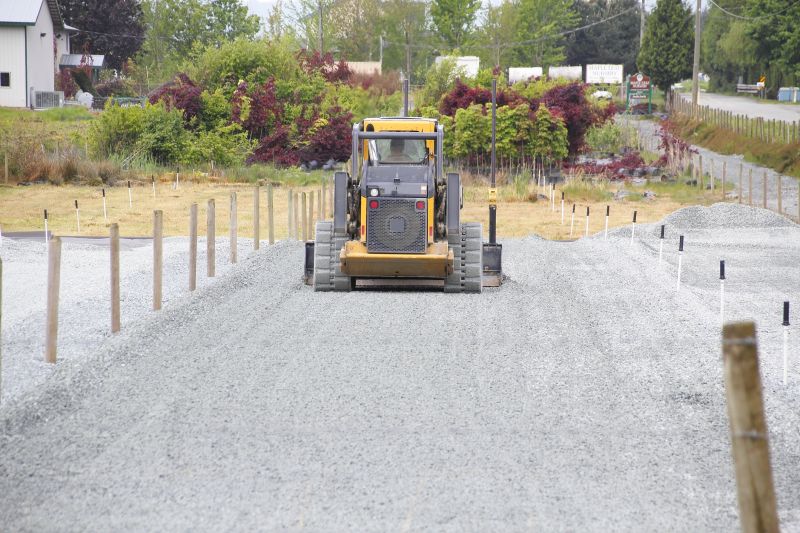
Visual summary of grading activities in Blaine.

Various instruments used for precise grading measurements.

Personnel performing grading assessments outdoors.

Processing grading data for decision-making.
Those interested in scheduling gradings are encouraged to contact for more information. Proper timing can significantly enhance the accuracy and reliability of assessments, supporting effective planning and execution.